How to Protect Your Data Online
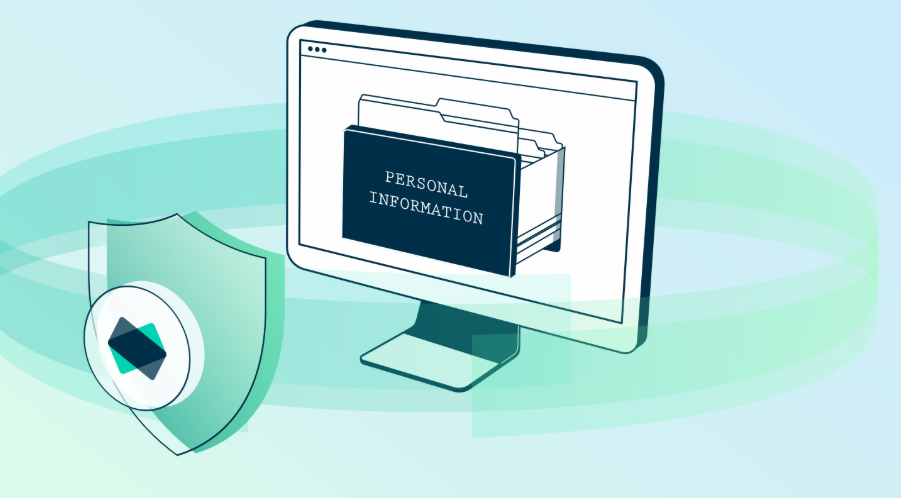
In an increasingly digital world, safeguarding personal data has become paramount. Strong, unique passwords serve as the first line of defense, yet many users neglect this fundamental security measure. Two-factor authentication further enhances protection, but its implementation remains inconsistent. Additionally, the risks associated with public Wi-Fi are often underestimated. Understanding these aspects is crucial for effective data protection. However, there are more layers to this complex issue that warrant exploration.
Use Strong and Unique Passwords
Although many individuals underestimate the importance of password security, utilizing strong and unique passwords is a fundamental step in safeguarding personal data online.
Password length plays a crucial role in enhancing security; longer passwords significantly reduce vulnerability to brute-force attacks.
Employing password managers can facilitate the creation and storage of complex passwords, ensuring that users maintain distinct credentials across various platforms, thus bolstering their digital freedom.
See also: How the Internet of Things (Iot) Is Changing Our World
Enable Two-Factor Authentication
Following the establishment of strong and unique passwords, enabling two-factor authentication (2FA) serves as an additional layer of security that significantly enhances online account protection.
By utilizing various authentication methods, such as SMS codes or security apps, users can mitigate unauthorized access.
This proactive approach not only preserves individual freedoms but also fosters a more secure online environment, safeguarding sensitive data from potential threats.
Keep Software and Devices Updated
Regularly updating software and devices is crucial for maintaining robust cybersecurity.
Software patches address vulnerabilities, enhancing device security by mitigating risks posed by cyber threats.
Neglecting updates can leave systems exposed to exploitation, undermining user autonomy and safety.
Be Cautious With Public Wi-Fi
Maintaining security extends beyond keeping software and devices updated; it also involves understanding the risks associated with public Wi-Fi networks.
These public network risks can expose sensitive data to cybercriminals. To mitigate threats, individuals should employ secure browsing tips, such as using virtual private networks (VPNs) and avoiding accessing sensitive information over unsecured connections, thereby preserving personal freedom while online.
Conclusion
In the labyrinth of the digital realm, safeguarding data requires vigilance akin to a knight’s armor. By wielding strong, unique passwords and fortifying accounts with two-factor authentication, users can erect formidable barriers against cyber threats. Regular updates act as a shield, patching vulnerabilities that lurking adversaries seek to exploit. Meanwhile, navigating public Wi-Fi demands the caution of a seasoned traveler, armed with a VPN. Thus, informed vigilance becomes the beacon guiding one through the shadows of online insecurity.